
Stress and Your Heart: The Mind-Body Connection

The connection between stress and heart health is profound and increasingly well-documented by scientific research. When you experience stress, your body releases hormones like cortisol and adrenaline that prepare you for “fight or flight”, elevating heart rate, increasing blood pressure, and promoting inflammation. While this response is adaptive for short-term threats, chronic stress keeps these systems perpetually activated, creating a hostile environment for cardiovascular health. Long-term stress has been linked to accelerated atherosclerosis, increased risk of heart attacks, and development of arrhythmias. Managing stress is therefore not just about mental wellbeing, it’s a critical component of heart disease prevention. Evidence-based stress reduction techniques include mindfulness meditation, which has been shown to lower blood pressure and reduce inflammatory markers; regular physical exercise, which metabolizes stress hormones and releases mood-enhancing endorphins; adequate sleep, which allows the cardiovascular system to recover and repair; and social connection, which buffers the physiological effects of stress. Even simple practices like deep breathing exercises can activate the parasympathetic nervous system and counteract stress responses. Building stress resilience is an investment in both your mental and cardiovascular health.
The Silent Killer: Why Heart Disease Often Shows No Symptoms
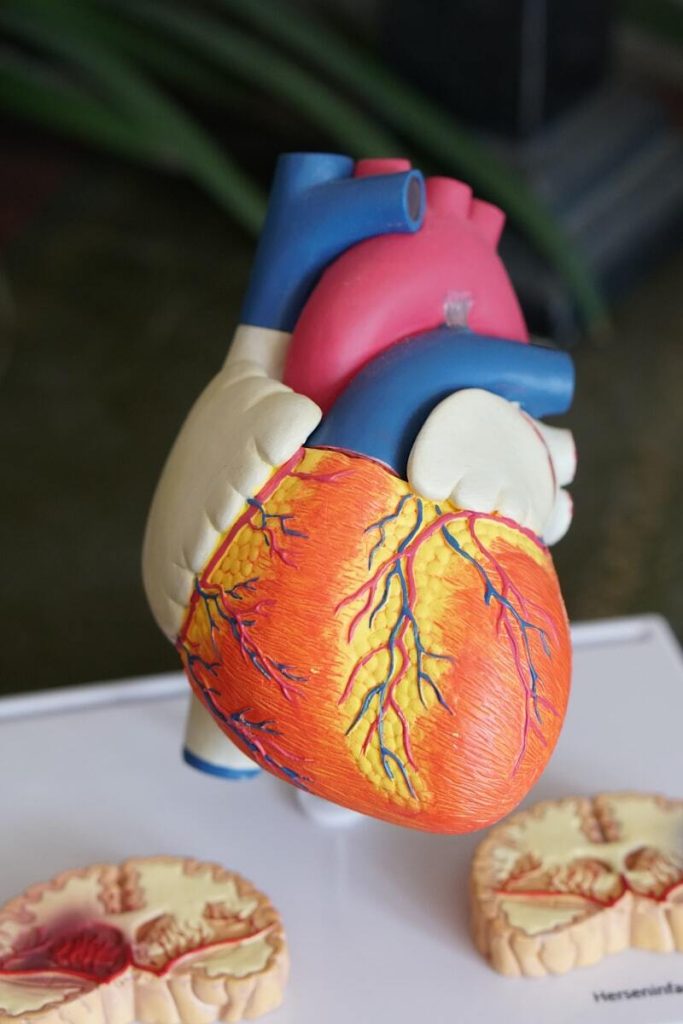
Heart disease has earned its reputation as a “silent killer” because atherosclerosis, the buildup of plaque in arterial walls, can progress for decades without causing any noticeable symptoms. The coronary arteries have remarkable compensatory mechanisms that maintain adequate blood flow even as plaque accumulates, masking the underlying disease until a critical threshold is reached. Tragically, for many people, the first sign of heart disease is a heart attack or sudden cardiac death, which is why approximately 50% of individuals who die from coronary artery disease had no prior symptoms. This silent progression makes proactive screening absolutely essential, particularly for individuals with risk factors such as family history, high blood pressure, elevated cholesterol, diabetes, or a history of smoking. Advanced cardiac imaging can detect plaque buildup years before it becomes dangerous, providing a window of opportunity for intervention. The calcium score test, for example, can identify calcified plaque with a simple, quick scan that involves no injections or invasive procedures. By identifying disease early, patients and their physicians can implement aggressive prevention strategies that may include lifestyle modifications, medications, and regular monitoring to halt or reverse disease progression.